


Best Wood Species for Beginner Furniture Projects
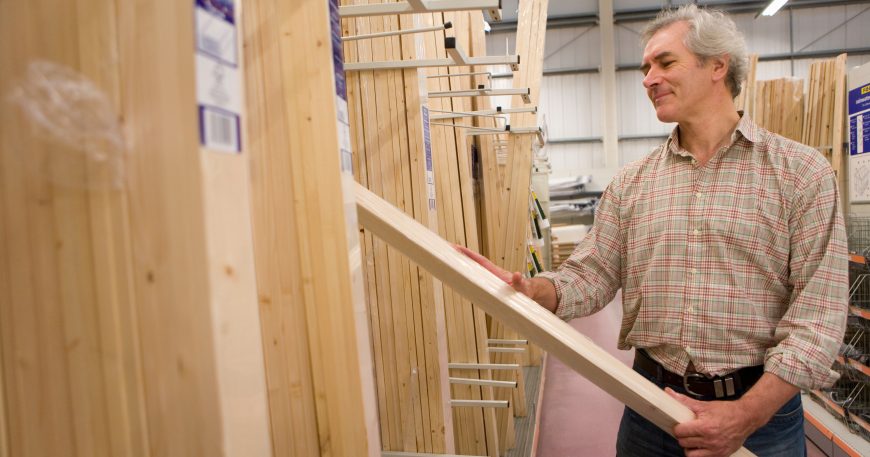
You walk into the lumber aisle at the home center and immediately feel the confusion set in. There are five or six species stacked in the same section, the prices vary significantly, and there is nothing on the label that tells you which one will actually work for the project you are trying to build.
Choosing the wrong wood for a first furniture project does not just create extra difficulty during the build. It can make finishing nearly impossible, cause unexpected warping, or produce a result that looks nothing like what you intended regardless of how carefully the work was done. The right wood for a beginner is not necessarily the cheapest or the most attractive. It is the one that behaves predictably during cutting, sanding, and finishing.
What Makes a Wood Species Good for Beginners?
A beginner-friendly wood species is one that cuts cleanly, sands without excessive tear-out, holds screws and nails reliably, and accepts stain or finish with reasonable consistency. It should also be available at home centers or local lumber yards without special ordering, and it should be priced within a reasonable range for someone building their first few projects.
No single species is perfect in every category. Understanding the trade offs of the most common options helps beginners make the right choice for their specific project before the first board is purchased.
The Most Practical Wood Species for Beginner Furniture
Poplar
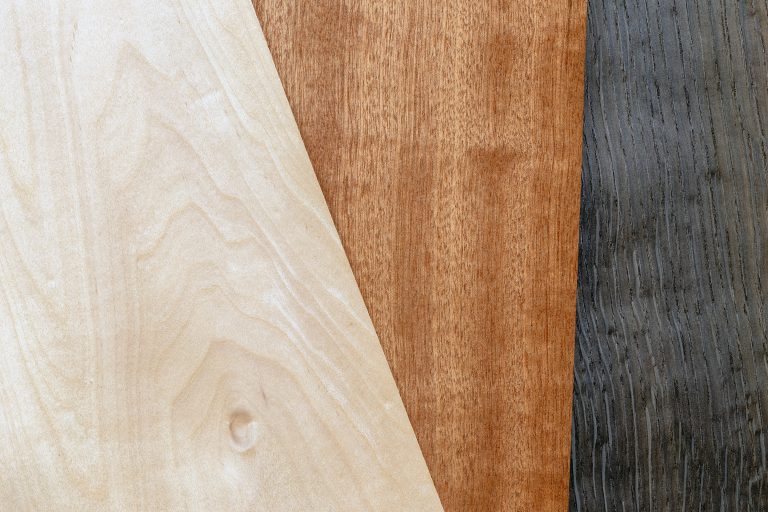
Poplar is the best all-around choice for a beginner building painted furniture. It is affordable, widely available at home centers, machines cleanly with standard tools, holds screws well, and sands to a smooth surface without much effort.
The significant limitation of poplar is its staining behavior. Poplar has a streaky grain with green and purple tones that absorb stain very unevenly. Achieving an attractive natural wood tone with a penetrating stain on poplar is difficult even for experienced woodworkers. For painted projects, cabinets, and shop furniture, poplar is excellent. For stained furniture where grain appearance matters, it is a poor choice.
Poplar is also soft enough to dent in high-use applications like tabletops and chair seats. For furniture that will see regular use, a harder species is more appropriate for those components even if poplar is used for the rest of the piece.
Pine
Pine is the most affordable option at most home centers and is a reasonable starting material for practice projects and simple furniture. It cuts and shapes easily, which makes it forgiving for beginners developing their tool technique.
The challenges with pine are significant for furniture work. It dents easily, scratches readily, and is highly prone to blotchy stain absorption due to its irregular grain structure. Understanding exactly why that happens and how to manage it is covered in detail in why wood stain goes blotchy and how to fix it. With dense latewood bands and soft earlywood. Pre-stain conditioner is essential when staining pine, and even with conditioner, the result is less consistent than on most hardwoods.
Pine works well for shop furniture, utility shelving, painted pieces, and practice projects where the goal is developing technique rather than producing a finished piece for long-term use.
Red Oak
Red oak is the best entry-level hardwood for beginners who want to build stained furniture with visible grain. It is widely available at home centers in dimensional lumber and boards, accepts stain very consistently due to its open grain structure, is hard enough for furniture applications, and is priced significantly lower than most domestic hardwoods.
The challenges with red oak are its weight and its pronounced grain pattern. The open grain of red oak requires grain filler before a smooth topcoat can be achieved, and the strong grain pattern is not suitable for every furniture style. For Arts and Crafts style furniture, dining tables, and bookshelves where a strong grain presence fits the design, oak is a natural choice. For cleaner, more contemporary designs, a tighter-grained species may suit the project better.
Red oak also responds well to ammonia fuming, which produces a distinctive gray-brown tone used in traditional craftsman furniture without any stain application.
Maple
Hard maple is one of the most workable hardwoods for furniture and is the standard material for workbenches, tool handles, and cutting boards because of its density and smooth surface quality. It machines cleanly, holds detail well, and produces a very smooth surface with fine sanding.
The challenge for beginners is that hard maple is notoriously difficult to stain evenly. Its tight, consistent grain absorbs stain with subtle variation that produces blotchy results similar to birch and cherry. Hard maple is best finished with a clear or toned finish rather than a penetrating stain, allowing its natural light color and fine grain to show without the blotching risk.
Soft maple (sold in many regions simply as maple at home centers) is easier to work and less expensive than hard maple while sharing similar appearance characteristics. It is a practical alternative for furniture that does not require the hardness of hard maple.
Walnut
Walnut is the most forgiving hardwood for finishing among the commonly available domestic species. Its rich chocolate-brown color looks attractive with almost any clear finish, it does not require stain to achieve a beautiful result, and its open grain accepts finish evenly without the blotching tendency of maple or cherry.
The limitation for beginners is cost. Walnut is significantly more expensive than oak, maple, or poplar at most lumber yards, which makes it a high-stakes material for a first project. A mistake that requires remaking a part in walnut costs more than the same mistake in pine or poplar.
Walnut is best used for a beginner’s second or third project rather than the first, when tool technique is more developed and the risk of significant material waste is lower.
Plywood
Hardwood plywood is not a solid wood species but it belongs in any discussion of beginner furniture materials because it solves several of the most common beginner problems simultaneously. Plywood is dimensionally stable, does not warp or cup with humidity changes, comes in large flat panels that eliminate edge gluing. Solid wood behaves very differently, and understanding why wood warps after assembly helps beginners decide when plywood is the smarter material choice. and is available in a range of face veneers including birch, oak, and maple.
For case goods, shelving, cabinet boxes, and any furniture application where large flat panels are needed, plywood is frequently the most practical choice for a beginner. The challenges are cutting large panels without tear-out and achieving clean edges that need to be banded or otherwise treated before finishing.
Which Wood Should a Beginner Start With?
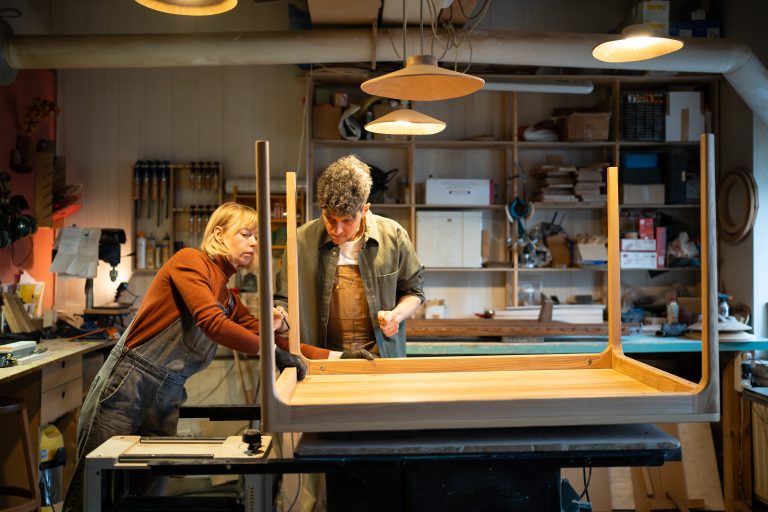
For a first furniture project that will be painted, start with poplar. For a first stained furniture project, start with red oak. Both are forgiving, widely available, and priced reasonably for someone who may need to remake parts while developing their technique.
Save walnut, cherry, and figured hardwoods for projects where the technique is already established. The material cost of those species makes mistakes significantly more expensive than the same mistake in oak or poplar.
👉 Book a demo today and see how Woodshop Master helps your shop grow without limits.
FAQ: Table Saw Cut Accuracy
What is the easiest wood to work with for beginners?
Poplar is the easiest domestic hardwood for most beginner applications because it cuts cleanly, sands easily, holds fasteners well, and is widely available. For painted furniture it is an excellent starting material. Pine is easier to find and less expensive but more prone to denting and difficult to stain evenly.
Is oak good for a beginner woodworker?
Yes. Red oak is one of the best choices for a beginner building stained furniture because it accepts stain consistently, is available at most home centers, and is hard enough for furniture applications. Its strong grain pattern is an asset for many furniture styles and a potential limitation for others depending on the design.
Why is walnut so expensive compared to oak?
Walnut grows more slowly than oak and is in higher demand for furniture, gunstocks, and specialty woodworking applications. The combination of slower growth and higher demand pushes the price significantly above oak and other common domestic hardwoods. Quality and workability justify the cost for finished pieces, but oak or poplar is more practical for a beginner building technique.
Can I build furniture with construction lumber from the home center?
Yes, for practice projects and painted shop furniture. Construction grade pine and spruce at the home center is inexpensive and functional for learning technique. It is not suitable for fine furniture due to knots, resin pockets, and inconsistent drying, but it is a practical way to develop skills without spending money on furniture-grade hardwood while still learning.
What wood should I avoid for my first furniture project?
Avoid highly figured woods like curly maple, birdseye maple, and crotch pieces. These are beautiful but require sharp tools and careful technique to machine without tear-out. Cherry is also difficult for beginners because it blotches easily, darkens unpredictably with light exposure, and is expensive enough that mistakes are costly. Start with consistent, predictable species and move to more challenging materials as technique develops.

