
Why the Smell of Sawdust Still Matters in a World Full of Computer Screens
You notice it at the oddest moments in the shop.
When you crack the door in the morning and yesterday’s dust is still hanging in the air.
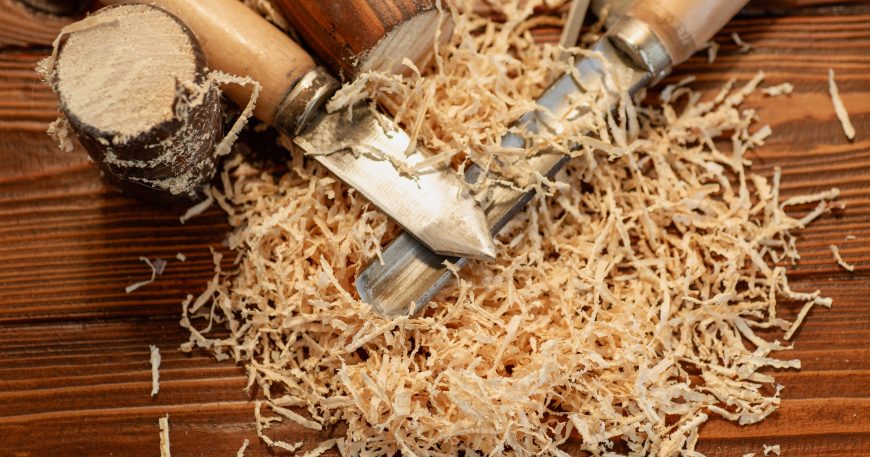
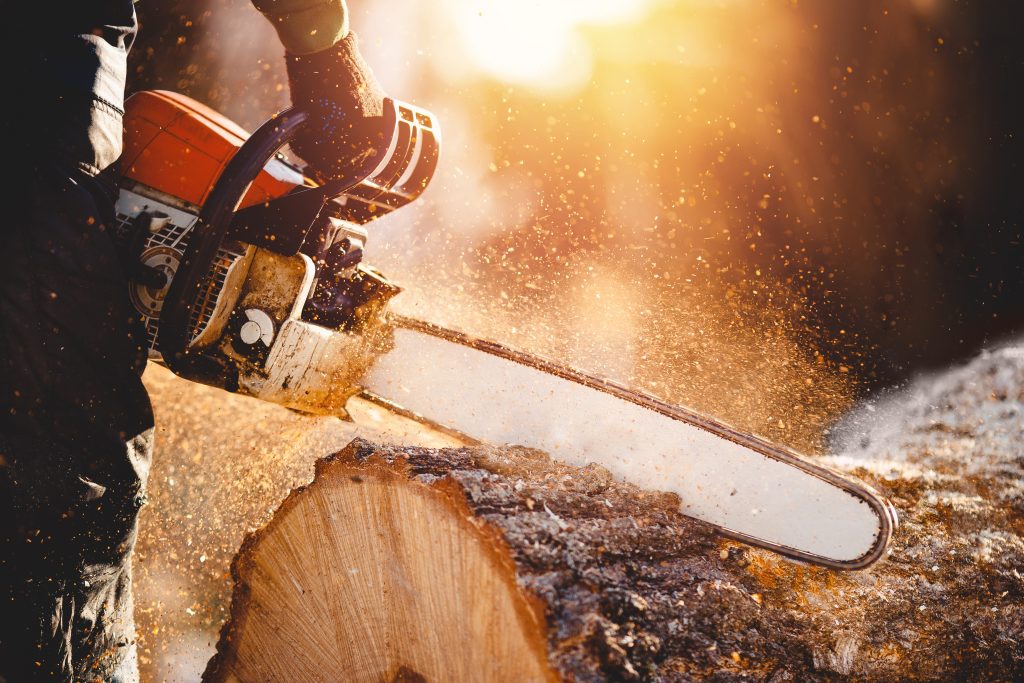
When a fresh board comes off the saw and the smell hits you before the noise dies down.
When you stop for just a second and realize the whole place has its own mix of pine, oak, finish, and sweat.
Freshly cut oak., pine that still carries the forest with it, walnut that somehow smells both clean and heavy at the same time.
It’s easy to treat that as background. Just another part of the job. But in a world where more and more of life lives behind glass, phones, tablets, laptops, that smell is a quiet reminder:
“This is real. This is here. You made this.”
And that still matters.
Wood doesn’t care about your notifications
Out in the shop, the phone might be buzzing in your pocket. Emails piling up. Messages from clients, contractors, suppliers, family.
The wood doesn’t care.
It doesn’t refresh.
It doesn’t ping you.
It doesn’t send you a reminder.
It just sits there, honest:
🔨Too short or just right.
🔨Straight or twisted.
🔨Dry enough or still a little green.
When you cut it, it reacts. Not with a sound effect, but with a smell, a texture, a feel through the tool and into your hands.
You can’t swipe that away. You can’t mute it.
You have to pay attention.
In a strange way, that’s what a lot of people are desperate for right now: something that demands real focus and gives you something solid in return.
Sawdust sticks to you in a way pixels never will
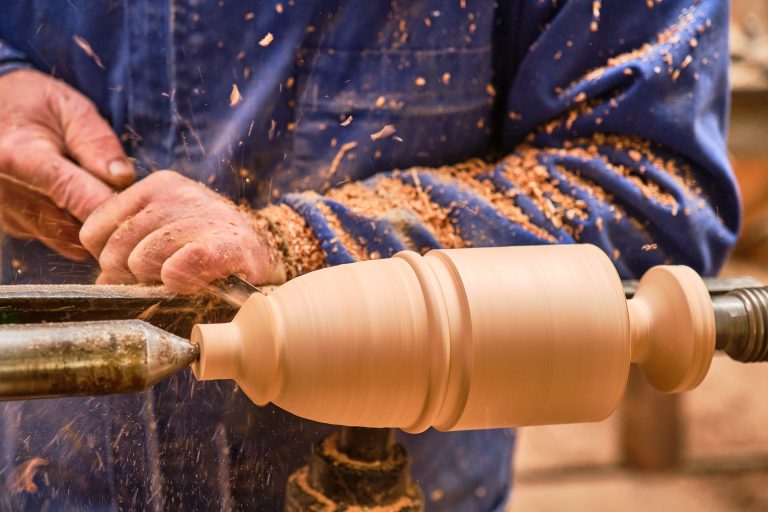
At the end of a day in the shop, you can tell where you’ve been without looking at a screen.
🪚Dust on your boots.
🪚Glue on your knuckles.
🪚Finish on your sleeve.
If you open your truck door too fast, a bit of sawdust will fall out from somewhere it shouldn’t even be able to reach.
It gets into everything.
You might complain about it.
You might joke about how you “carry half the shop home” every day.
But there’s another side to it:
That dust is proof. You did something. Something that didn’t exist that morning exists now.
Most people log out of a day of work and their only record is an exhausted brain and a trail of messages. Nothing they can put their hands on. Nothing they could lean against and say, “We built that.”
Sawdust is annoying. It’s also a receipt.
Screens can help, but they can’t replace the bench
There’s nothing wrong with screens by themselves.
3D drawings help clients understand what they’re getting.
Online orders keep the racks full.
Photos and videos help you show your work to people who might never walk through your door.
The danger isn’t using screens. It’s letting them take over the day:
🔨More time in the office than in the shop.
🔨More time answering emails than answering real questions in wood.
🔨More time clicking between apps than walking between machines.
The craft started somewhere else:
On a bench. On sawhorses in a garage. In a basement with a cheap vise and a borrowed plane. In a shop that smelled like cedar, coffee, and somebody’s lunch.
Whatever tools come next, that’s the part worth keeping.
Keeping the work human, even as the shop grows
As a woodshop grows, it has to become more organized. More jobs. More people. More deadlines. You start talking about schedules, inventory, quotes, installs.
If you’re not careful, the shop starts to feel less like a place for craft and more like a factory that happens to use wood instead of plastic.
The trick is not to choose between “hands-on” and “organized.”
The trick is to use tools that protect the hands-on part.
Less time chasing missing measurements, lost notes, or “which version of this drawing is right?”
More time actually cutting, fitting, sanding, hanging, fixing.
Less chaos in the background so you can actually hear yourself think in front of the bench.
Where software fits in a shop that still smells like wood
If software is going to live in a woodshop, it should come with a promise:
“I’m here to make more room for the real work, not to replace it.”
That’s the idea behind Woodshop Master.
It doesn’t make the coffee, It doesn’t sharpen your chisels, It doesn’t change the way fresh cherry smells when you cut into it.
What it can do is take care of the parts of the day that don’t need to smell like anything:
🔨Keeping track of which jobs are due when.
🔨Making sure today’s drawing matches what you’re actually building.
🔨Helping you remember which hardware goes with which cabinet.
🔨Giving you one place to see what’s ready, what’s waiting, and what’s stuck.
So when you step up to the bench or the saw, you’re not carrying the whole shop in your head. You’re just carrying the tool in your hand and the piece in front of you.
The world might keep adding more screens.
But as long as there’s sawdust in the air and real work on the bench, shops like yours will still feel like one of the few places where something true is being made.
👉 Book a demo today and see how Woodshop Master helps your shop grow without limits.

