
It’s tempting, when you’re busy, to teach only shortcuts.
“Just cut it this way.”
“Just do it like I do.”
“Just trust me.”
That works when you’re trying to hit a deadline. It doesn’t work if you’re trying to pass down a craft.
The younger eyes in the shop don’t just need to know what you’re doing. They need to know why it matters: Why you reject a panel that “almost” matches.Why you double-check a measurement even if the drawing looks clear.Why you’ll drive back to the shop to fix something nobody else would notice.
Those stories don’t have to be long speeches. They can be one-liners while you work: “We’re fixing this because it’s going to live in someone’s kitchen for 20 years.”“If the face frame isn’t right, you’ll see it every time you walk into the room.” “We could leave it, but that’s not how we do it.”
You’re not just correcting mistakes. You’re building a sense of standard that lives longer than you do.
Every generation brings something different into the shop.
Maybe they’re more comfortable with screens than with sketchbooks.
Maybe they think in 3D models instead of full-size layouts on the bench.
Maybe they pull out their phone to take photos instead of just “remembering.”
That can be frustrating when you’ve done it one way for decades. It can also be a gift.
You don’t protect the craft by freezing it in time. You protect it by keeping the heart the same while the tools evolve:Jigs might become CNC files.Cut lists might move from paper to a screen.Job notes might live in a system instead of on scraps.
But the core questions don’t change:Does it fit?Is it strong?Will you be proud to say, “We made that”?
If the next generation can bring in new tools while still honoring those questions, the shop doesn’t get weaker. It gets stronger.
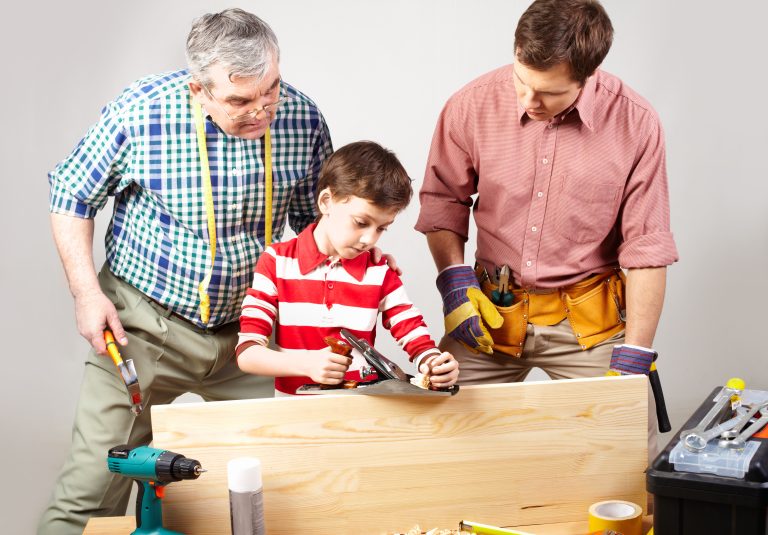
At some point, if you want the family shop to outlive you, you have to do something that feels risky:
You have to let someone else make a decision you used to make.
Not all at once. Not on a job that could sink the business. But in pieces:Let them run a small project from start to finish, quote, build, install.Let them re-arrange one corner of the shop to work better for how they move, not how you did at their age.Let them choose hardware or a finish on a project where the stakes are low.
You’ll want to step in. You’ll want to say, “I know a faster way.” Sometimes you’ll be right.
But if you never let them carry the weight, they’ll never feel the pride, or the responsibility, that kept you going all these years.
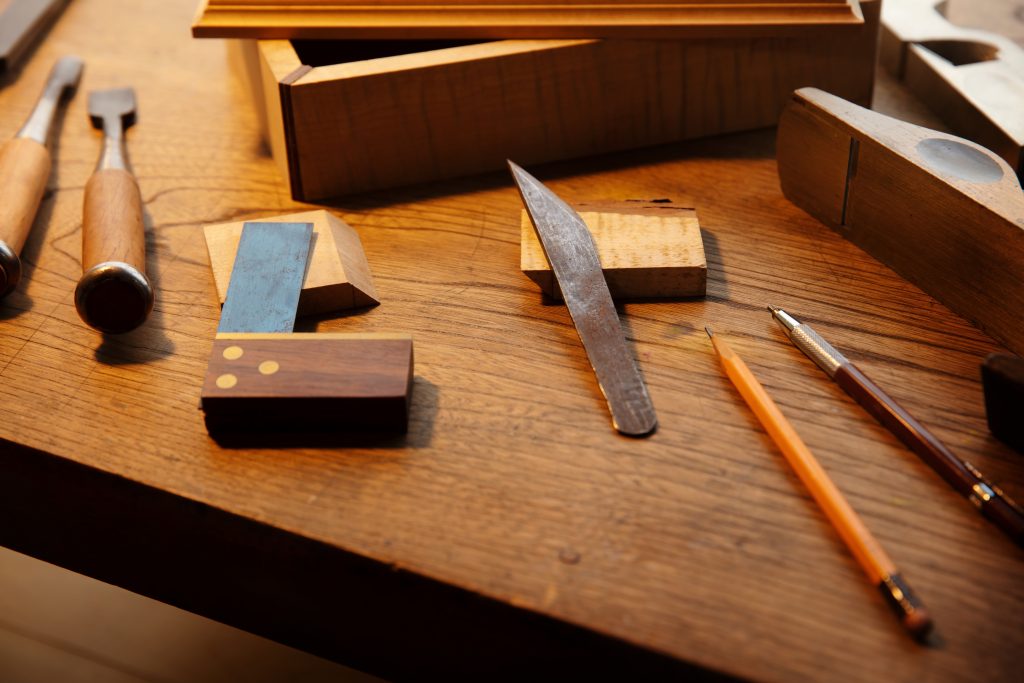
Handing someone a tape measure isn’t just giving them a tool.
It’s quietly saying:“I trust you with the details.”“I expect you to check, not guess.”“This work is in your hands now too.”
Growing a family woodshop is messy. There are arguments about how to do things. There are days when nobody wants to sweep. There are moments when “old way” and “new way” collide in the middle of the floor.
But if you can keep talking, keep listening, and keep the craft itself at the center, you’re doing something rare:
You’re building a business that also holds a story, one that started long before software, and will still matter long after the next tool update.
or a lot of shops, that’s exactly what Woodshop Master is meant to support in the background: letting the next generation bring in better ways to organize work, without losing the heart of what the family started at that first bench.

